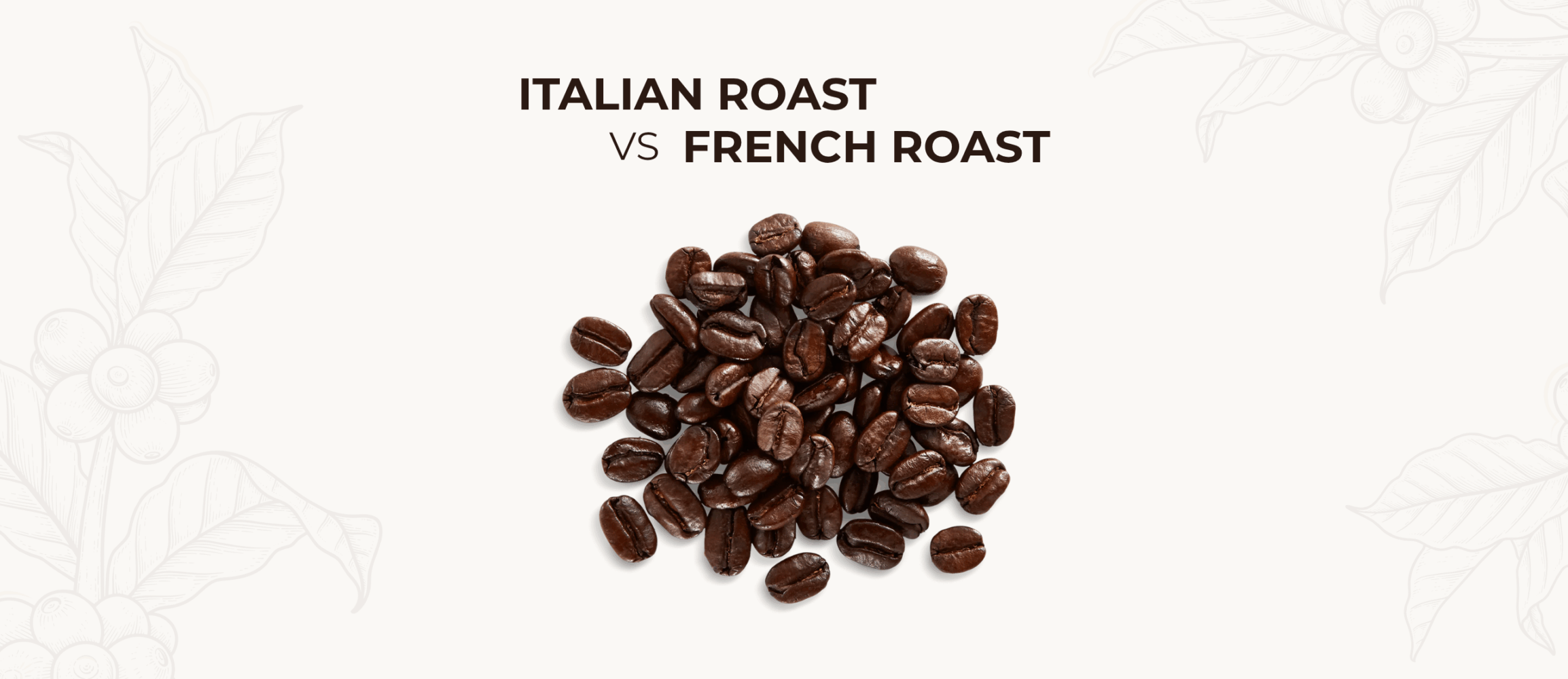
When you venture into the deepest, richest corners of the coffee spectrum, you inevitably meet two titans of the roasting drum: French Roast and Italian Roast.
Both sit proudly at the dark end of the scale, boasting shiny, oil-slicked beans and a promise of intense, heavy-bodied flavor. But while casual coffee drinkers often lump them together as simply “dark roast,” true coffee lovers know that even in the deepest shades of brown, tiny nuances matter.
Because there are no universally regulated standards for coffee roast levels, a roaster’s signature touch is everything. The distinction between these two legendary styles lies in a delicate science of time and temperature – with French offering dark, and Italian offering the absolute edge of dark.
Let’s look at what truly sets them apart, how they behave in the cup, and how to choose the right style for your morning ritual.
The Technical Breakdown: Temperature Dictates Taste
Inside the roasting room, the difference between these two giants comes down to a fine science of just a few degrees. As the heat rises, it triggers the Maillard reaction (browning the sugars and amino acids) and Caramelization, fundamentally breaking down the bean’s cell walls.
Here is exactly how those degrees shape the final bean:
1. French Roast: The Smoky Balance
- The Roasting Window: Taken to a strict temperature zone between 450°F and 455°F (approx. 232°C to 235°C), just past the second crack.
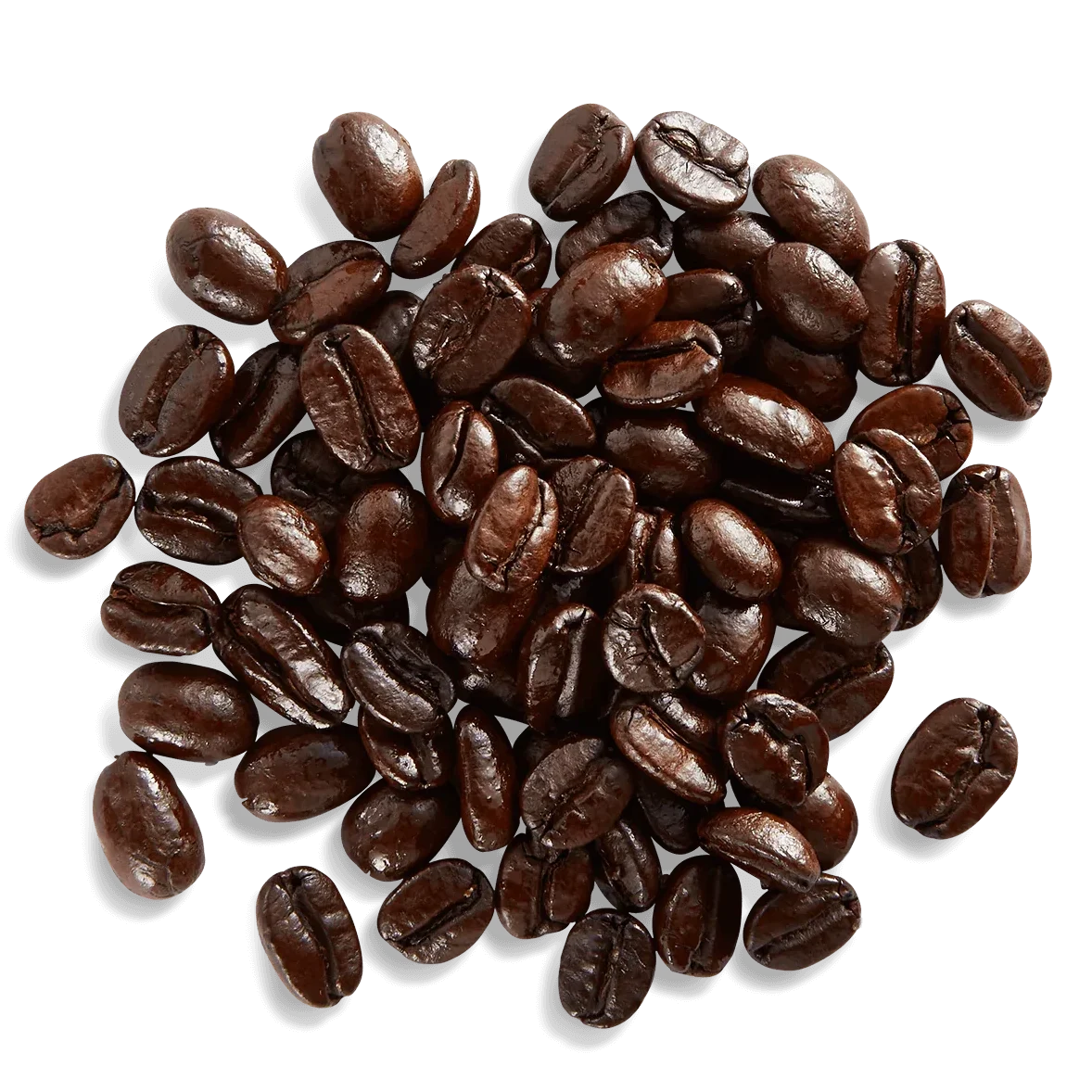
- The Look: A deep, dark chocolate brown color coated with a glistening, light oil sheen.
- The Profile: Rich, deeply smoky, and smooth. At this stage, the sugars within the bean are heavily caramelized. The intrinsic floral or fruity notes of the original bean fade away, replaced by a robust balance of dark cocoa, toasted nuts, and sweet smoke—without an aggressive bitterness.
2. Italian Roast: The Ultimate Extreme
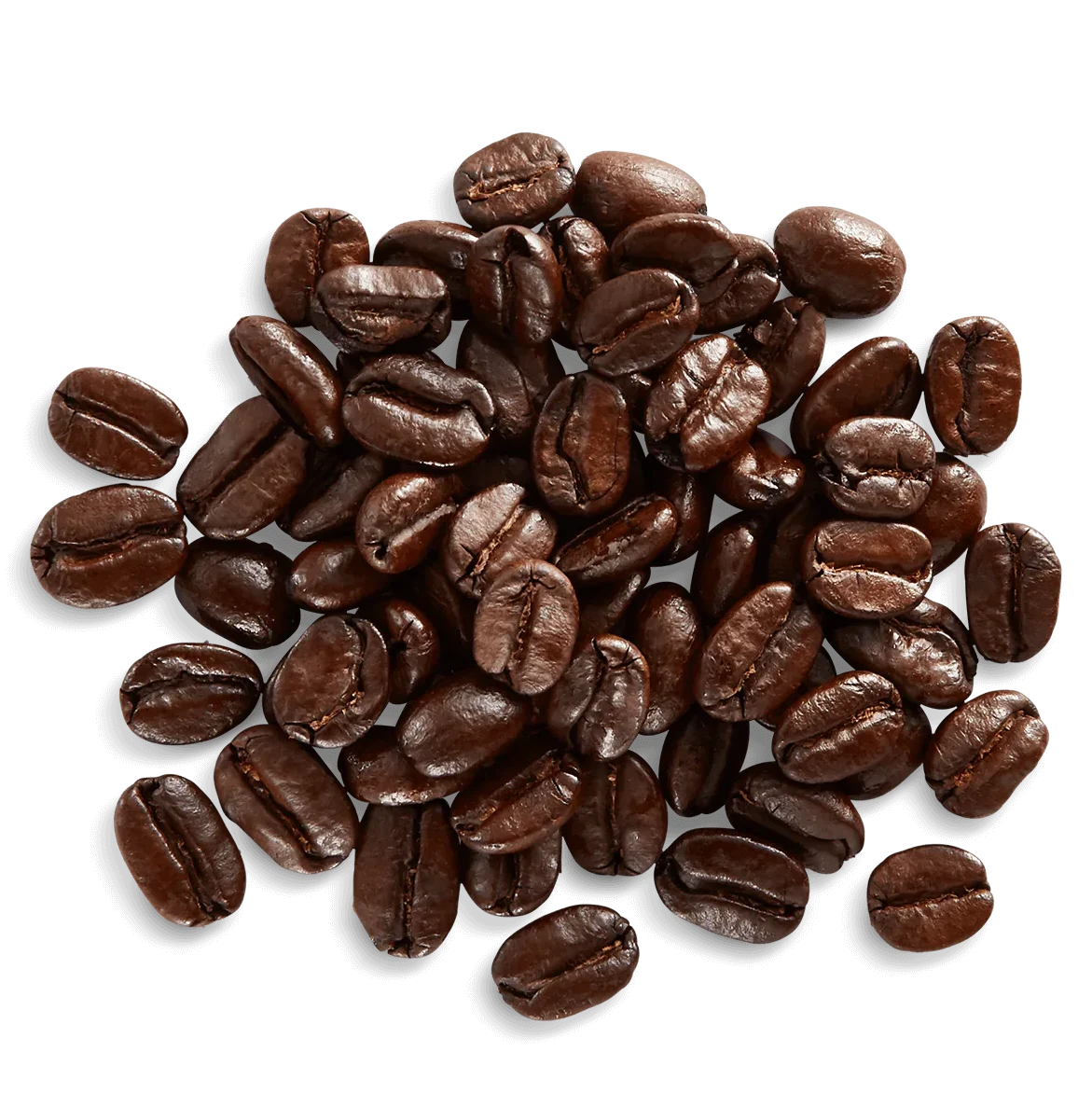
- The Roasting Window: Pushed right past the French threshold, starting at 455°F (235°C) and going up. It requires meticulous attention to avoid crossing the line from “intense” to “burnt.”
- The Look: An incredibly dark, nearly black color with a heavily oily texture that coats the entire surface of the bean.
- The Profile: Bold, robust, and unapologetic. Italian roasting extracts the absolute maximum amount of natural oils from the bean. The flavor is defined by a pronounced bitterness, heavy smoke, and deep undertones of roasted cereal and dark molasses, yielding a remarkably thick, syrupy mouthfeel.
Matching Your Roast to Your Brew Method
Because dark roasts are highly soluble, brittle, and rich in natural oils, choosing the right brewing equipment is essential to avoid an overly ashy or thin extraction.
- The Everyday All-Rounder (French Roast): Due to its caramelized sweetness and balanced smoke, French roast is incredibly versatile. It performs exceptionally well across standard home brewing equipment, including electric drip coffee makers, the French Press, or a Moka Pot. It can easily be enjoyed completely black or with a splash of milk.
- The Espresso Champion (Italian Roast): Italian roast is traditionally engineered with one primary goal in mind: Espresso. Its heavy, syrupy body and high-temperature bitterness are designed to act as the perfect structural backbone to cut right through the heavy creaminess of dairy. It is the undisputed choice if you love milk-based drinks like lattes, macchiatos, and cappuccinos.
Pro-Tip for Dark Roasts: Always grind your beans a little coarser than usual and drop your water temperature slightly (towards the lower end of the 195–205°F (91°C–96°C) range). This prevents over-extracting the bitter compounds and keeps the rich, sweet notes perfectly balanced.