Few items in the culinary world evoke as much curiosity, fascination, and fierce debate as Kopi Luwak. Frequently marketed as one of the rarest and most expensive coffees on earth – with price tags reaching up to $600 per pound – it has captured global headlines and intrigued coffee drinkers for decades.
Yet, behind the exotic mystique and luxury price tag lies a deeply complex story. What began as a fascinating historical accident has evolved into one of the most controversial subjects in the modern coffee industry. To understand why this specific brew commands such attention—and why it remains so fiercely debated – it helps to dive into its history, its unique science, and the realities of its production.
The Historical Accident: How It All Began
The story of Kopi Luwak dates back to the 18th century in Indonesia, during the era of Dutch colonial rule. The Dutch established vast coffee plantations on the islands of Java and Sumatra, introducing Arabica beans to the region. However, native Indonesian farmers and plantation workers were strictly forbidden from picking or brewing the coffee cherries for their own consumption.
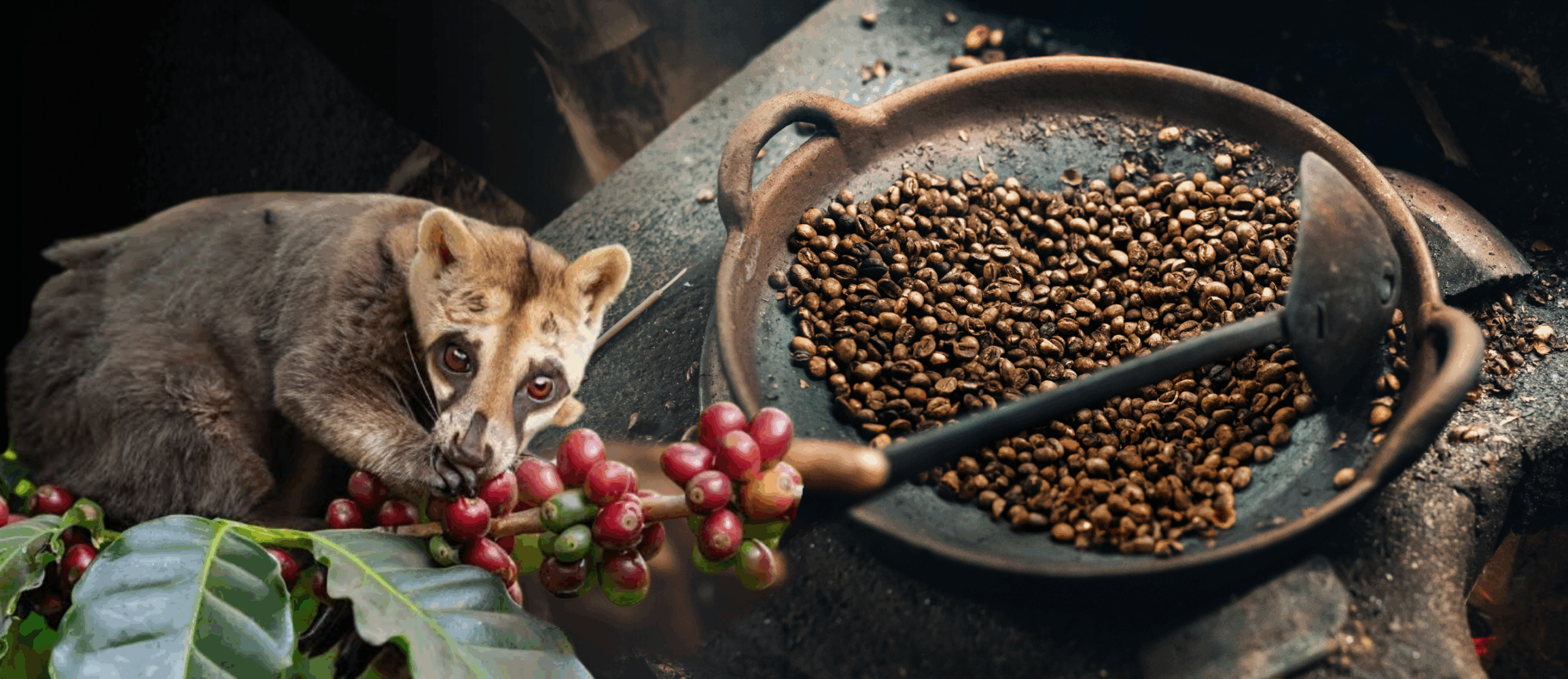
Resourceful and determined to taste the beverage they labored over, the farmers noticed that a local, nocturnal mammal called the Asian palm civet (Paradoxurus hermaphroditus)—locally known as the Luwak – frequently sneaked onto the plantations to eat the ripest, sweetest coffee cherries. The civets digested the soft fruit but passed the tough internal seeds (the coffee beans) whole in their droppings.
The farmers collected these discarded beans, meticulously washed, sun-dried, and roasted them. To their astonishment, the coffee brewed from these beans was remarkably smooth, devoid of bitterness, and packed with flavor. An accidental global phenomenon was born.
The Science of Civet Digestion
Why did a bean that passed through an animal’s digestive tract taste so distinctly different? The answer comes down to organic chemistry and animal behavior:
- Natural Selection: In the wild, civets are incredibly discerning eaters. They use their keen sense of smell to select only the absolute peak-ripe, high-sugar coffee cherries to consume.
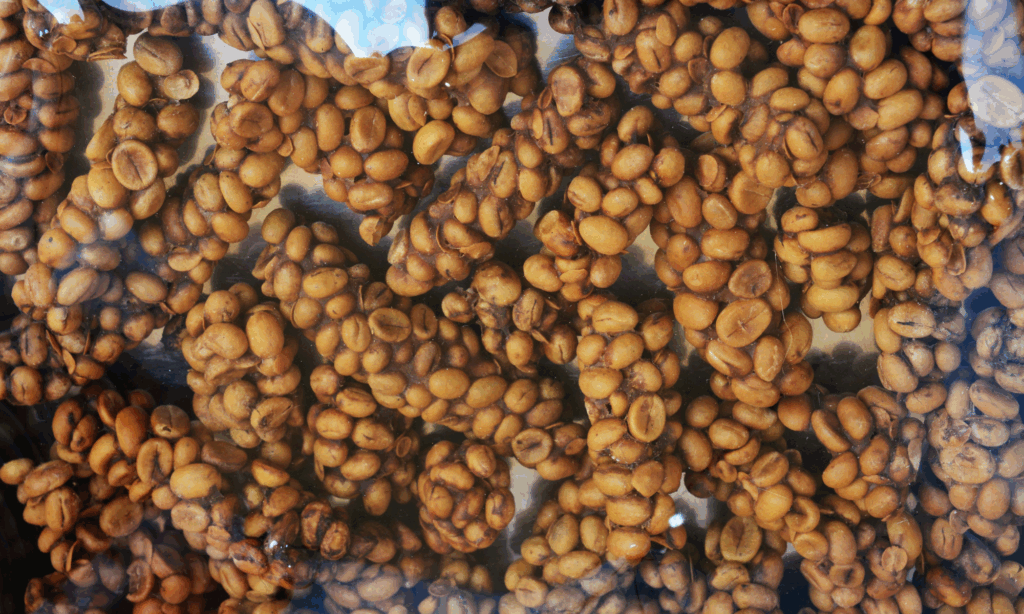
- Fermentation: As the cherries travel through the civet’s digestive tract, gastric juices and proteolytic enzymes seep into the beans. This process breaks down the specific proteins that give coffee its bitter edge.
- The Result: The resulting beans produce a cup of coffee that is naturally very low in acidity, possessing a heavy, smooth body with earthy, syrupy notes of chocolate and caramel.
The Turning Point: From Wild to Intensive Farming
If Kopi Luwak had remained a completely wild, naturally foraged product, it would still be a rare, quirky historical oddity. But when western media and celebrity culture thrust Kopi Luwak into the global spotlight in the early 2000s, global demand skyrocketed.
Because foraging for wild civet droppings in the dense Indonesian jungle is incredibly labor-intensive and yields very little coffee, the industry underwent a massive transformation to keep up with international demand. This led to the introduction of commercial battery farming.
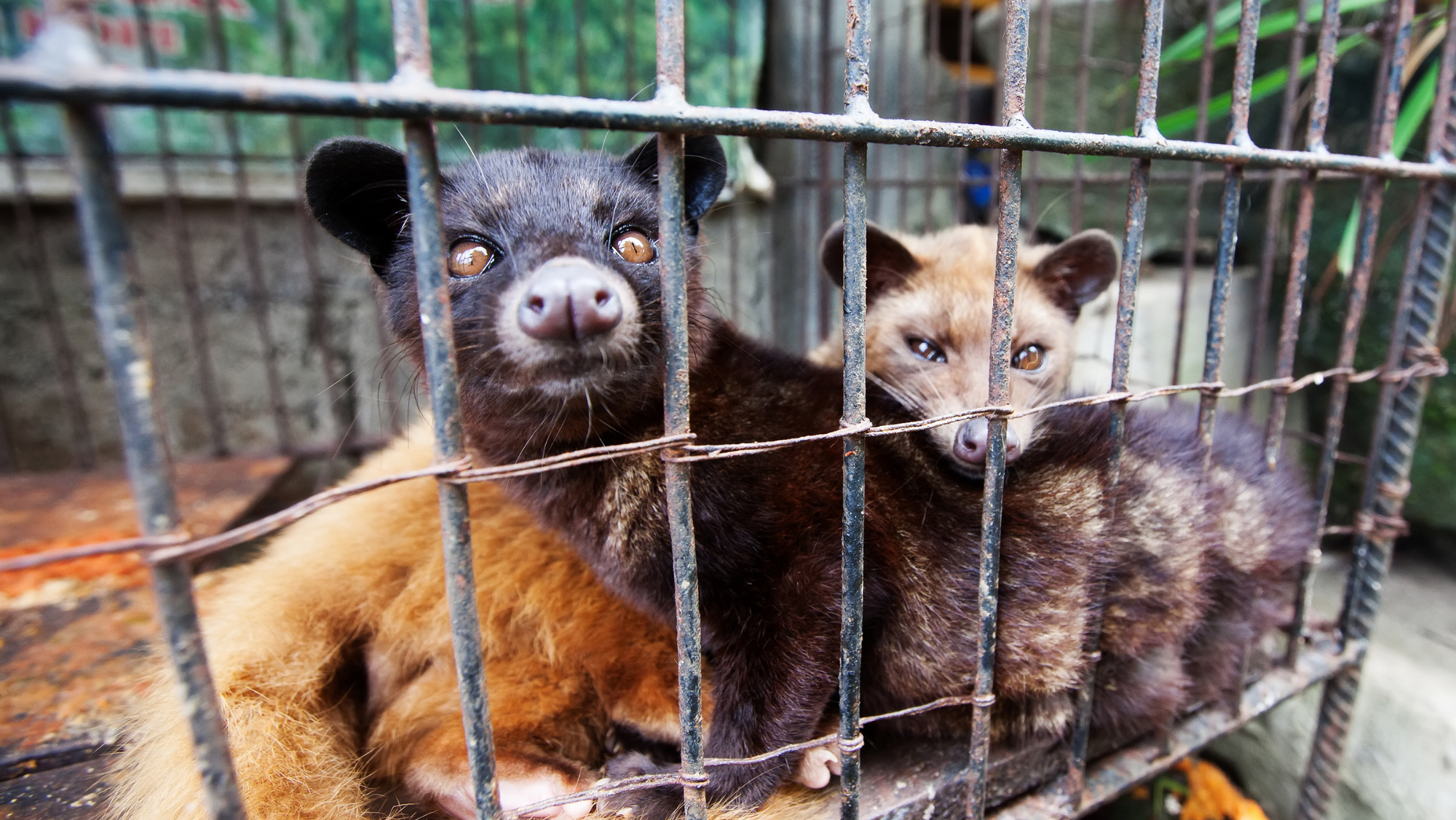
In many commercial operations, wild civets are captured and kept in cages on plantations to streamline production. This shift from wild foraging to intensive farming has drawn heavy criticism from conservationists and animal welfare organizations globally, sparking the intense ethical debate that surrounds the novelty beverage today.
The Problem of Authenticity
Because authentic, wild-sourced Kopi Luwak is incredibly rare and highly profitable, the market faces significant issues with authenticity. Industry experts estimate that a vast majority of the coffee sold globally as Kopi Luwak is either entirely counterfeit (regular dark-roasted beans passed off under the premium name) or blended heavily with low-grade beans.
Furthermore, because there is no centralized, verifiable global tracking system for wild coffee, it remains incredibly difficult for consumers to distinguish between genuinely wild-foraged beans and those coming from intensive cage facilities.
The Specialty Coffee Evolution
From a purely sensory and technical perspective, the wider specialty coffee industry has evolved to a point where the unique flavor attributes once exclusive to Kopi Luwak can now be replicated – and even enhanced – through advanced agricultural science.
Today, master producers utilize precise processing methods to achieve that same sought-after smoothness and low acidity:
- Anaerobic Fermentation: Controlled, oxygen-free fermentation tanks allow producers to manipulate coffee sugars and acids precisely, achieving incredible smoothness without involving animals.
- Precision Sorting: Advanced optical sorting and rigorous hand-sorting ensure that only 100% perfectly ripe cherries make it to the roaster, mirroring the natural selection process of the wild civet.
Ultimately, Kopi Luwak remains a fascinating chapter in coffee history – a reminder of human resourcefulness under colonial restrictions and a unique look at the chemistry of fermentation. While it continues to capture headlines as a luxury novelty, the modern coffee world has shown that true flavor excellence can be achieved through pure craftsmanship and innovation.