Espresso is often seen as the strongest coffee you can drink. Its bold flavor and intense aroma make it feel more powerful than any other brew.
But when it comes to the actual caffeine content, there is a lot of misinformation floating around. Does a tiny 30ml shot really pack more of a punch than a giant mug of filter coffee?
So, How Much Caffeine Is in One Espresso?
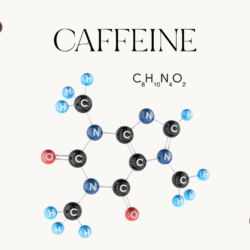
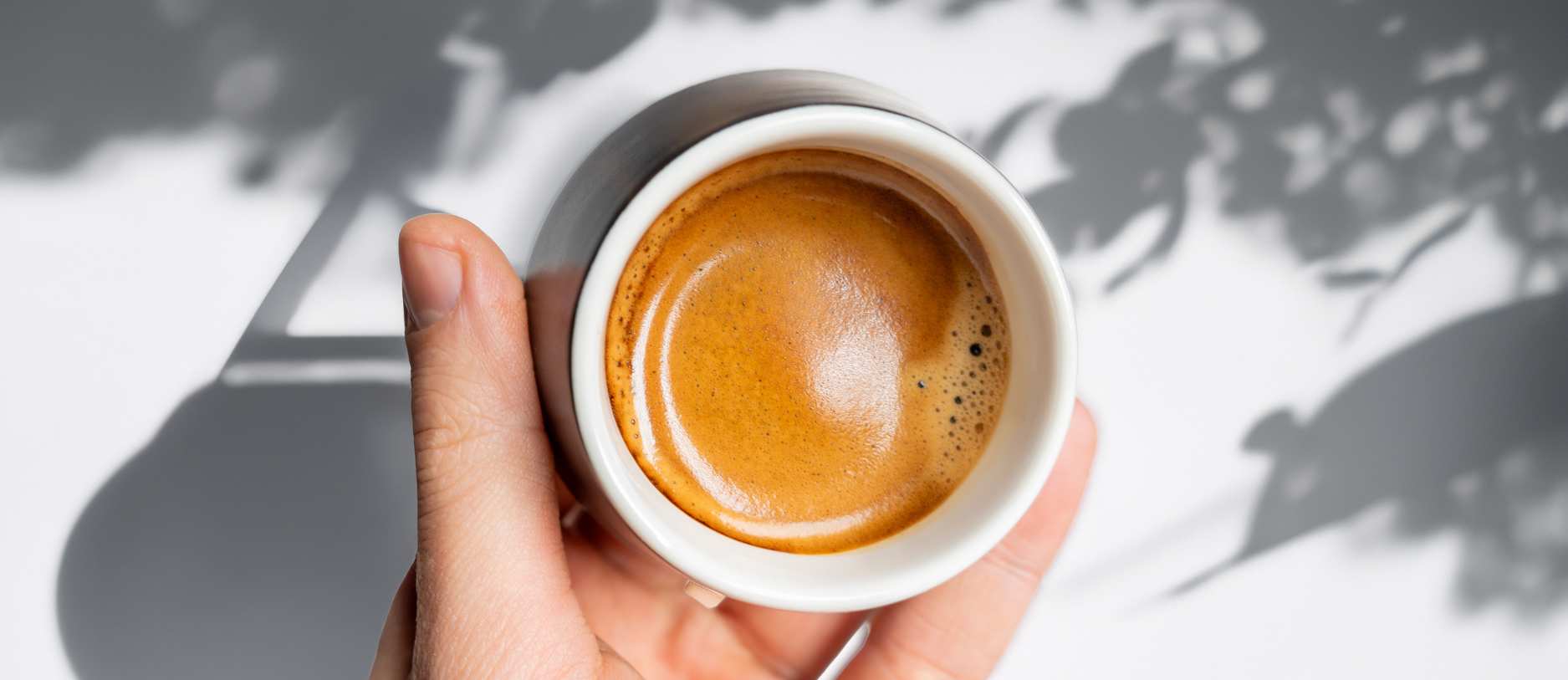
On average, a single shot of espresso (about 30ml) contains roughly 63mg of caffeine.
In comparison, a standard 240ml cup of brewed filter coffee contains about 95mg to 125mg of caffeine.
Here is why the “intensity” of coffee can be a bit misleading.
Concentration vs. Volume
The confusion usually stems from how we measure caffeine.
- By Volume: If you compare a drop of espresso to a drop of drip coffee, the espresso is way more caffeinated. Espresso has a much higher caffeine concentration per milliliter.
- By Serving: We don’t drink 240ml of espresso. Because we drink espresso in small amounts, the total caffeine intake per “drink” is often lower than that of a large mug of black coffee.
The 4 Factors That Change Your Caffeine Kick
Not all espressos are the same. The caffeine content depends on:
- The Bean Species: As we discussed in our Arabica vs. Robusta post, Robusta beans have nearly double the caffeine of Arabica. If your espresso is a Robusta blend, expect a much bigger jolt.
- The Roast Level: Darker roasts actually have slightly less caffeine than light roasts because the caffeine is “burned off” during the longer roasting process. However, the difference is very small.
- The Grind Size: The finer the grind, the more surface area the water touches. This leads to higher extraction – meaning more caffeine ends up in your cup.
- Extraction Time: A “Ristretto” (a short, restricted shot) has less caffeine than a standard espresso because the water is in contact with the grounds for a shorter amount of time.
At Zenoffé, caffeine isn’t just about strength – it’s about balance.
We carefully design our blends using both Arabica and Robusta beans, allowing us to control not only flavor, but also the intensity and energy profile of each cup.
Some blends are crafted for a smoother, more refined experience. Others are designed to deliver a stronger, more energizing kick – without compromising on taste.
Because great espresso isn’t just about how much caffeine it contains. It’s about how that caffeine is experienced.